-
ionee Waterhouse
I am a video Artist and Live Visuals Performer whose video-mapping work approaches the moving image as a living presence capable of reorganizing perception, feeling, and symbolic meaning. My work mixes video art, live visuals, video mapping, animation, AI-generated imagery and large-scale installation, and is unified by the understanding that images change us. Images shape us. They act on us. They change how we see, how we understand ourselves and how we relate to the world around us.
In a world saturated by visual noise, I offer something rare: work that doesn't just illustrate meaning but creates the conditions for new meaning to arise. Images that act. Images that intervene. My work lives at the intersection of ritual and technology, intuition and computation, ancient symbolism and digital flux. It is expansive, intelligent, and rooted in a lifelong fascination with how perception shapes the human experience.
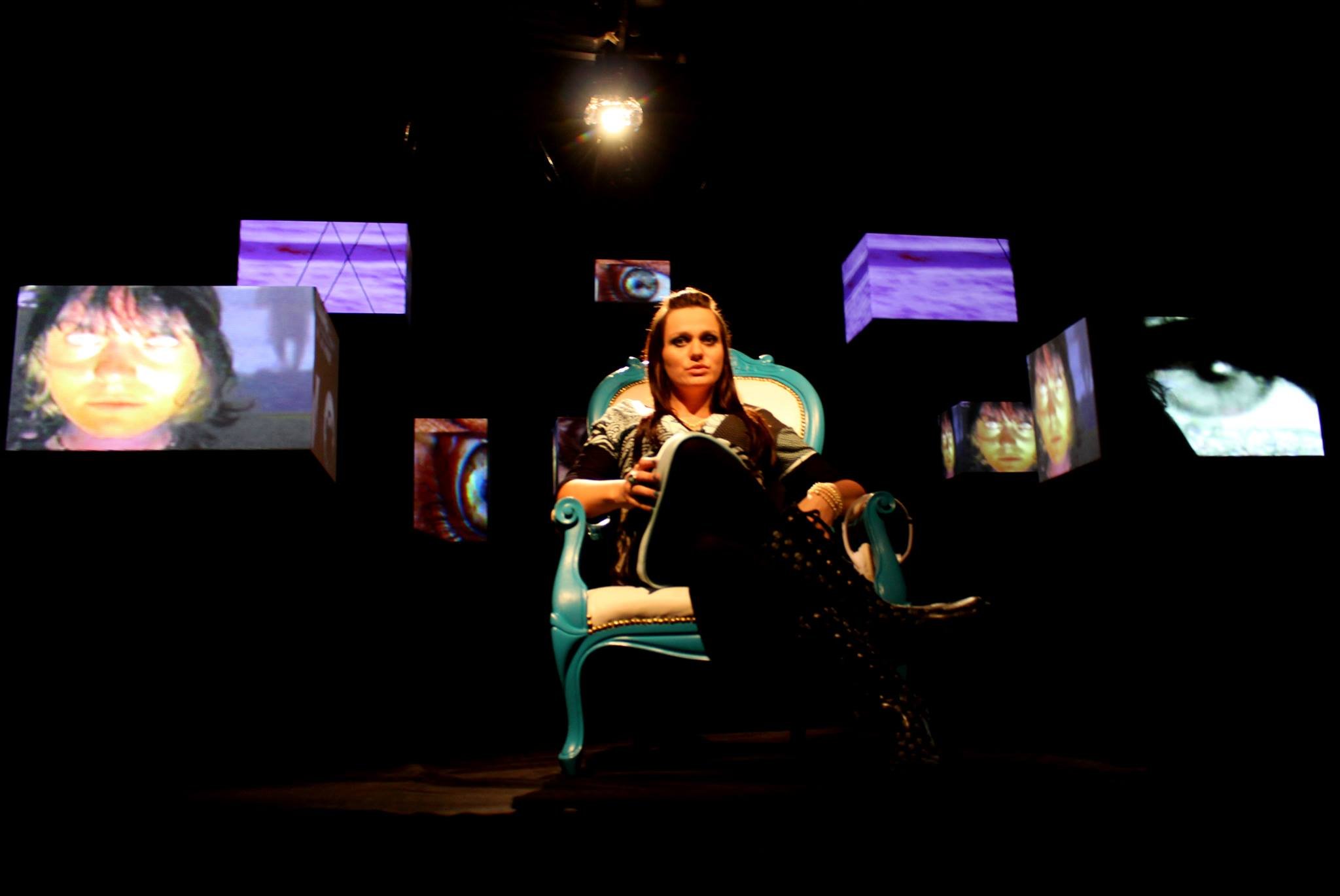
I think visually, spatially, composing ecosystems of images rather than edited sequences. These compositions grow, twist, collide and reorganize themselves through 2D and 3D animation, video recordings and computational transformations. My influences include mythology, ancient cultures, color theory, media history, symbolic systems, perceptual science and the evolving intelligence of machines that move as currents beneath the surface, guiding the emotional and symbolic logic of my imagery.
My early collage works reflected sensitivity to the politics of images. I bring political speech, found footage, music, and media fragments into quick, charged collisions to expose how power and narrative inhabit our visual field. These early experiments taught me that images are never neutral; they carry histories, intentions, and invitations into feeling and doctrine.
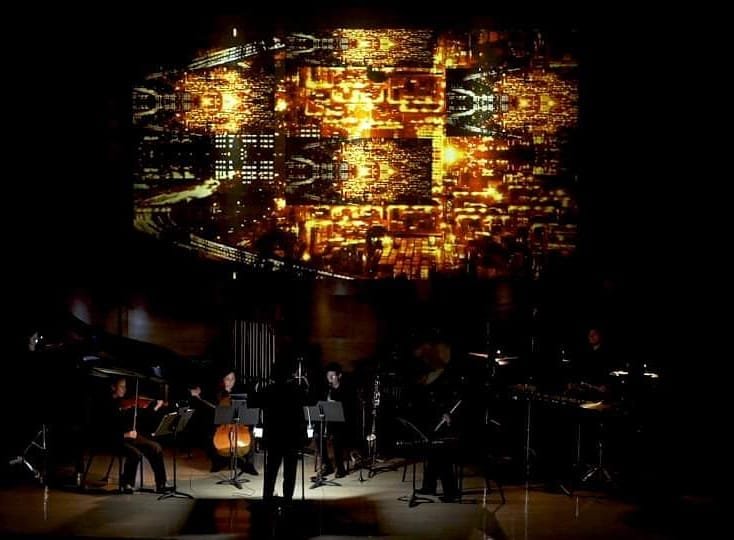
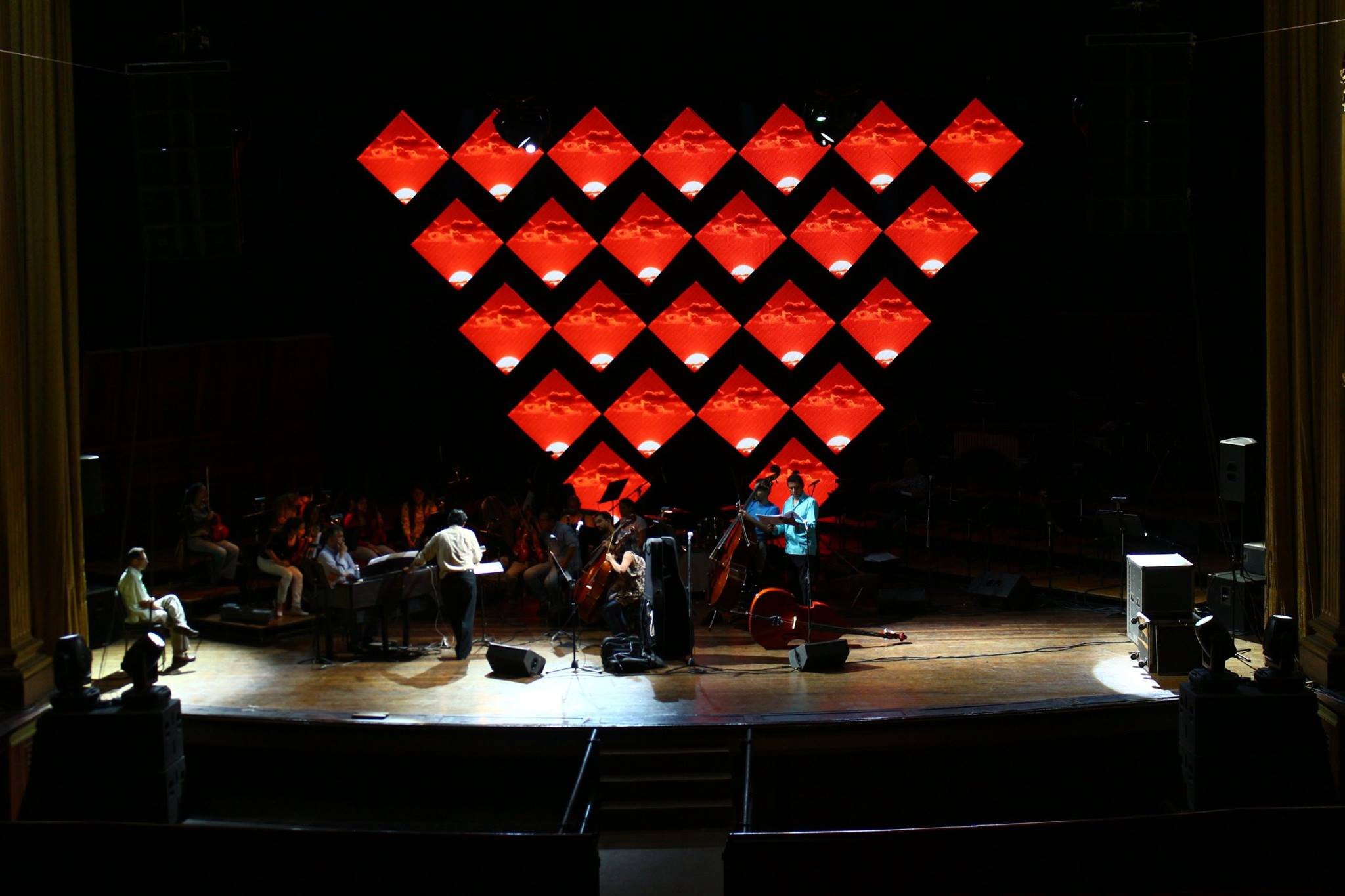
Working in television post-production gave me an intimate understanding of how images are engineered and consumed en masse, as well as the limits of standardized visual narratives. Touring with musicians and orchestras marked a turning point: images became live, responsive systems shaped by sound, architecture and collective presence.
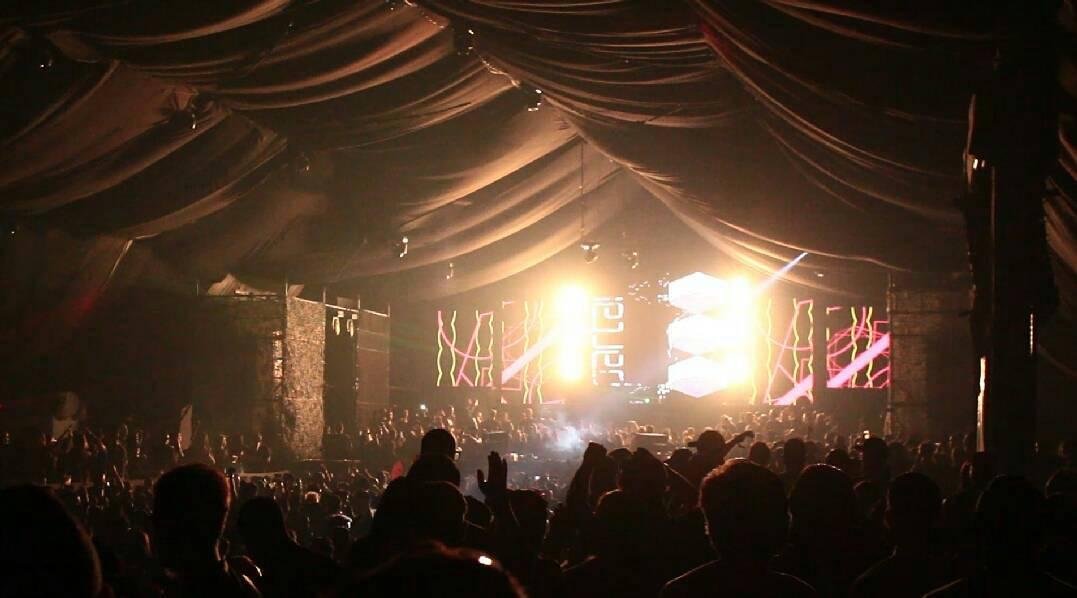
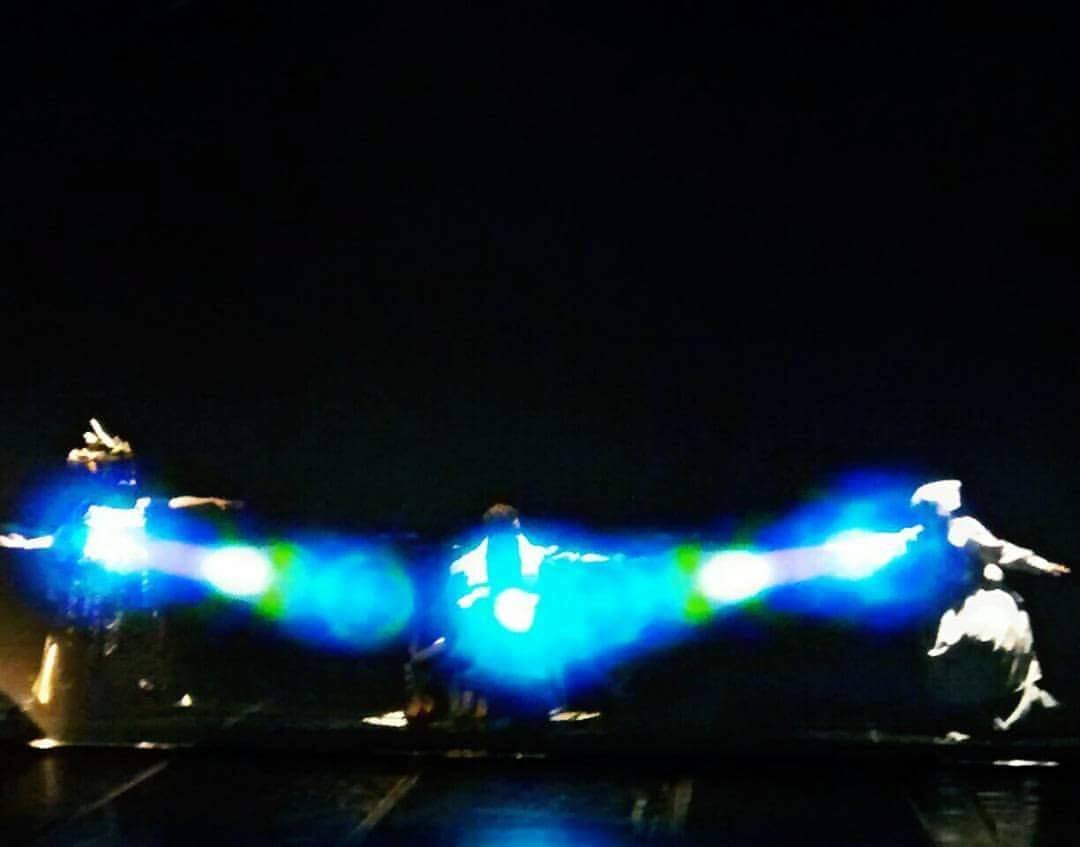
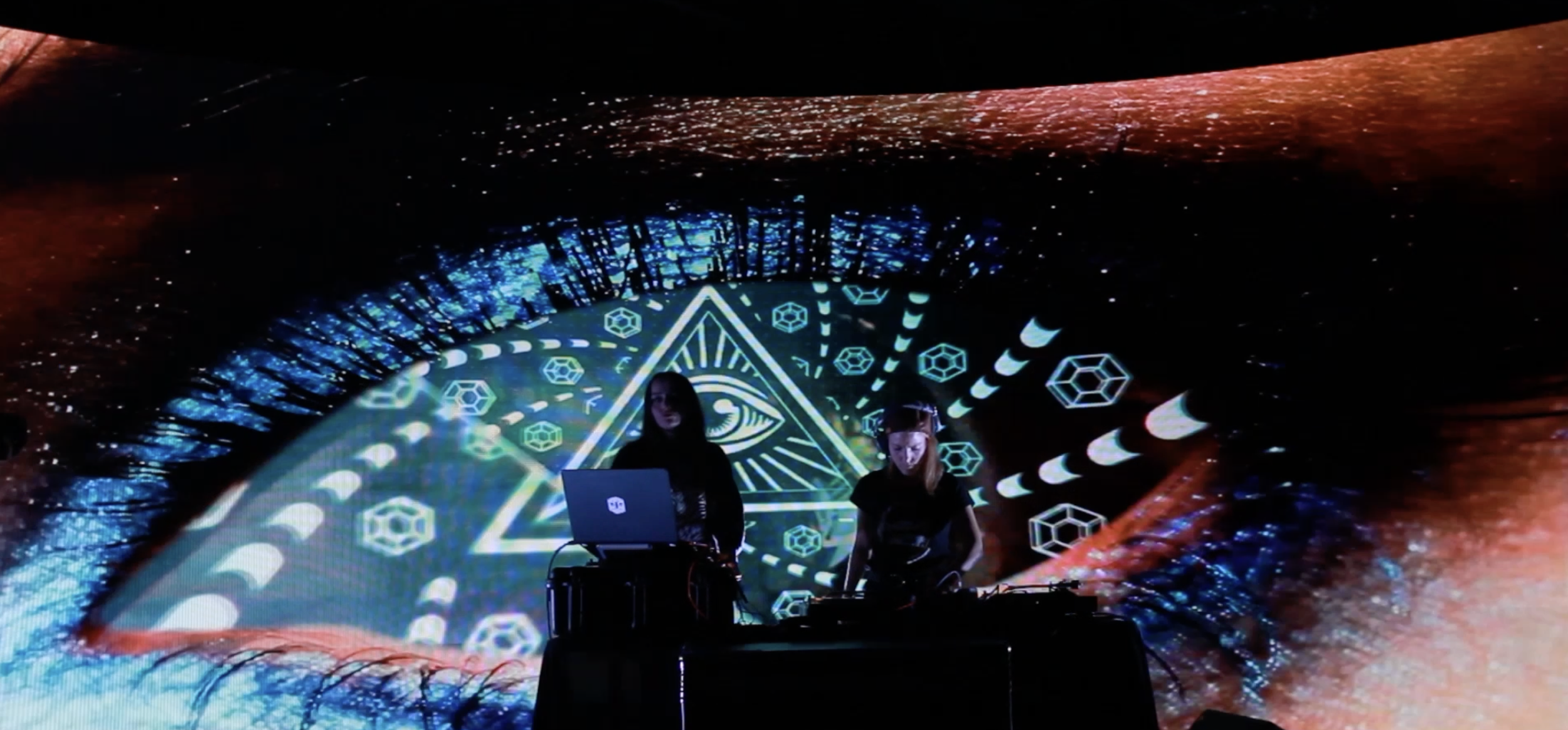
As a live video performer and video-mapping artist, I put visuals into dialogue with space and audience to explore how images affect the body and mind.
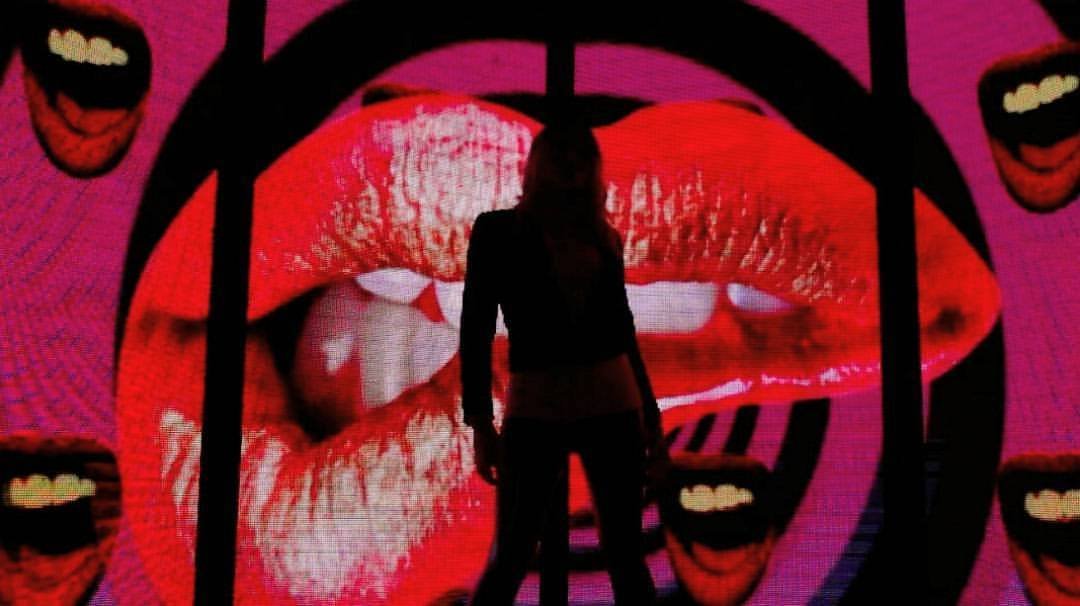
My environments are marked by bursts of symbolic emergence, rapid montage, shifts in speed and rhythm that guide collective attention. The image does not sit on a screen in these moments, but fills the air to shape the emotional charge of the space.
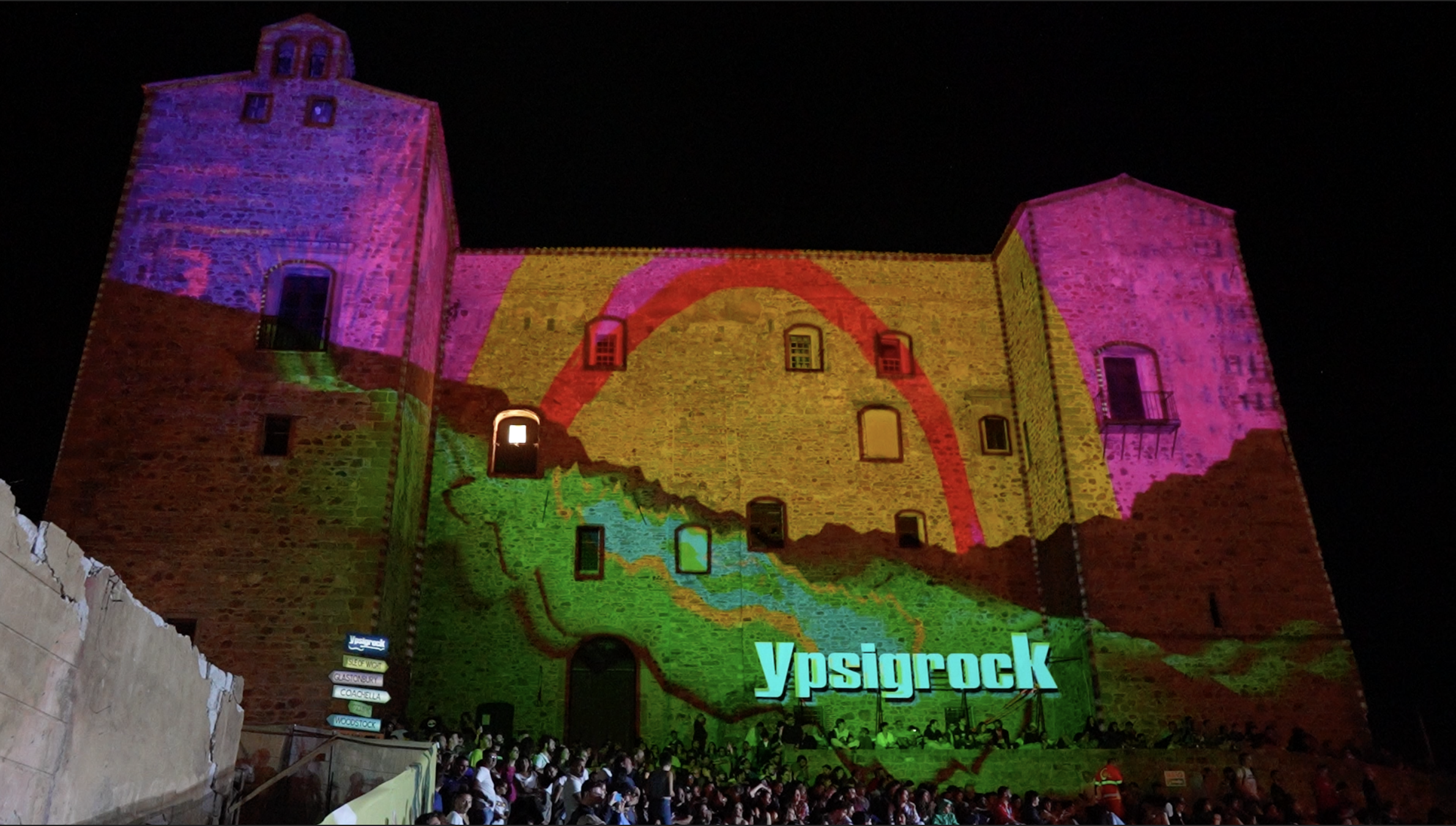
My projection work insists that history is not fixed but permeable, and that the digital image, when placed in contact with the monumental, can open a dialogue between permanence and becoming. This principle runs right through my site-specific work: images as forces that negotiate between worlds, times and states of consciousness.
For me, time is a material. I bend it, stretch it, accelerate it and collapse it - not for spectacle, but to interrupt the habits of seeing that narrow our attention. Rapid sequences, loops and ruptures create openings for viewers to experience perception differently, sometimes with a clarity that arrives before understanding.
Throughout all formats, my images perform as semiotic organisms that mutate and output meaning in real time. My installations and performances are perceptual rituals, thresholds for viewers crossing over from observer to participant and becoming part of the event.
My practice is deeply intuitive and hinged on lived experience. I work with images much the way other people do with clay or sound—as materials alive with temperament and agency. Much of my work exists only in the moment it is created, live and unrepeatable, shaped entirely by presence. This is how it feels, but in an instant, it’s gone replaced by a new idea, a new feeling or a new direction. Just like life.
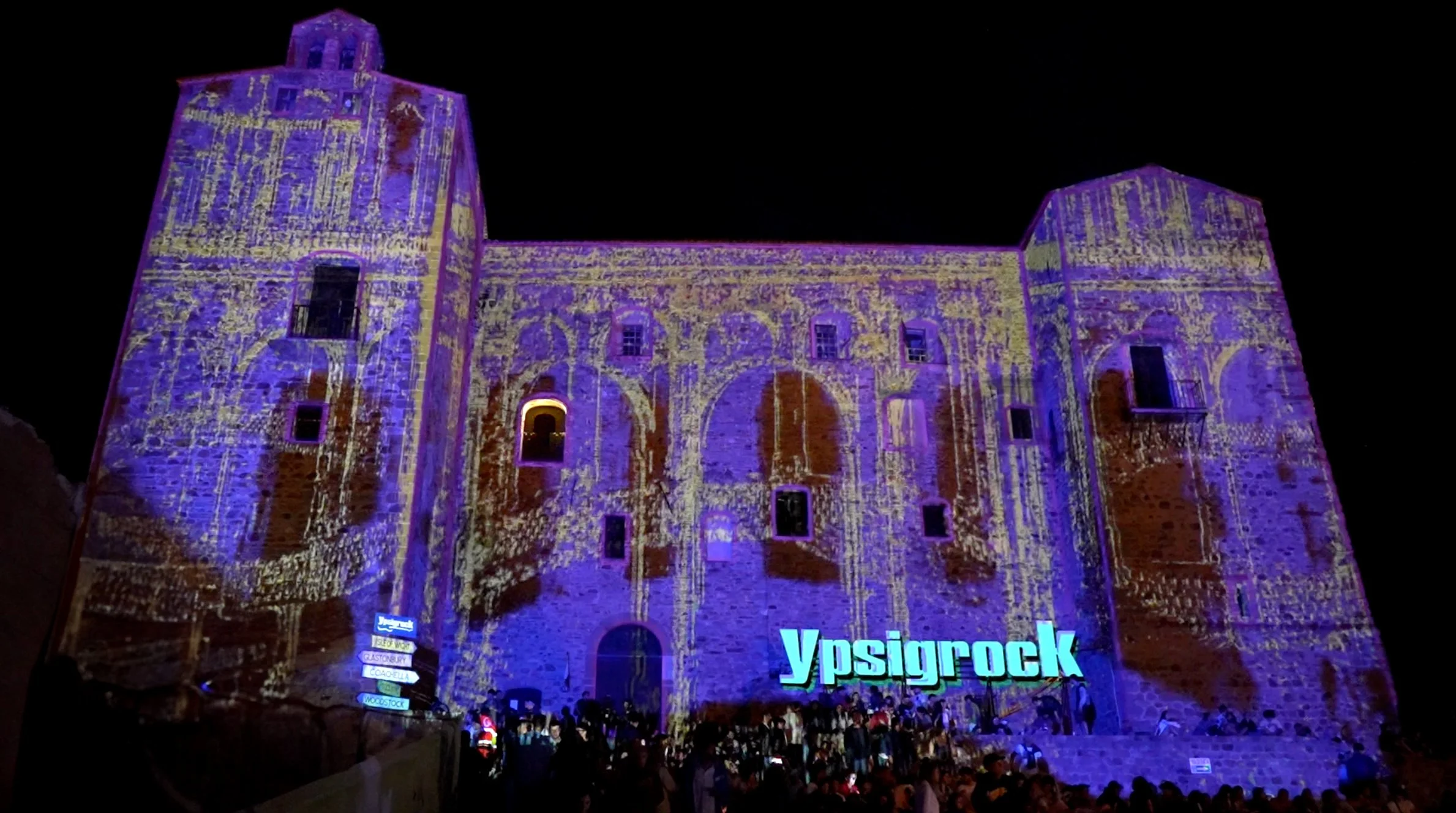
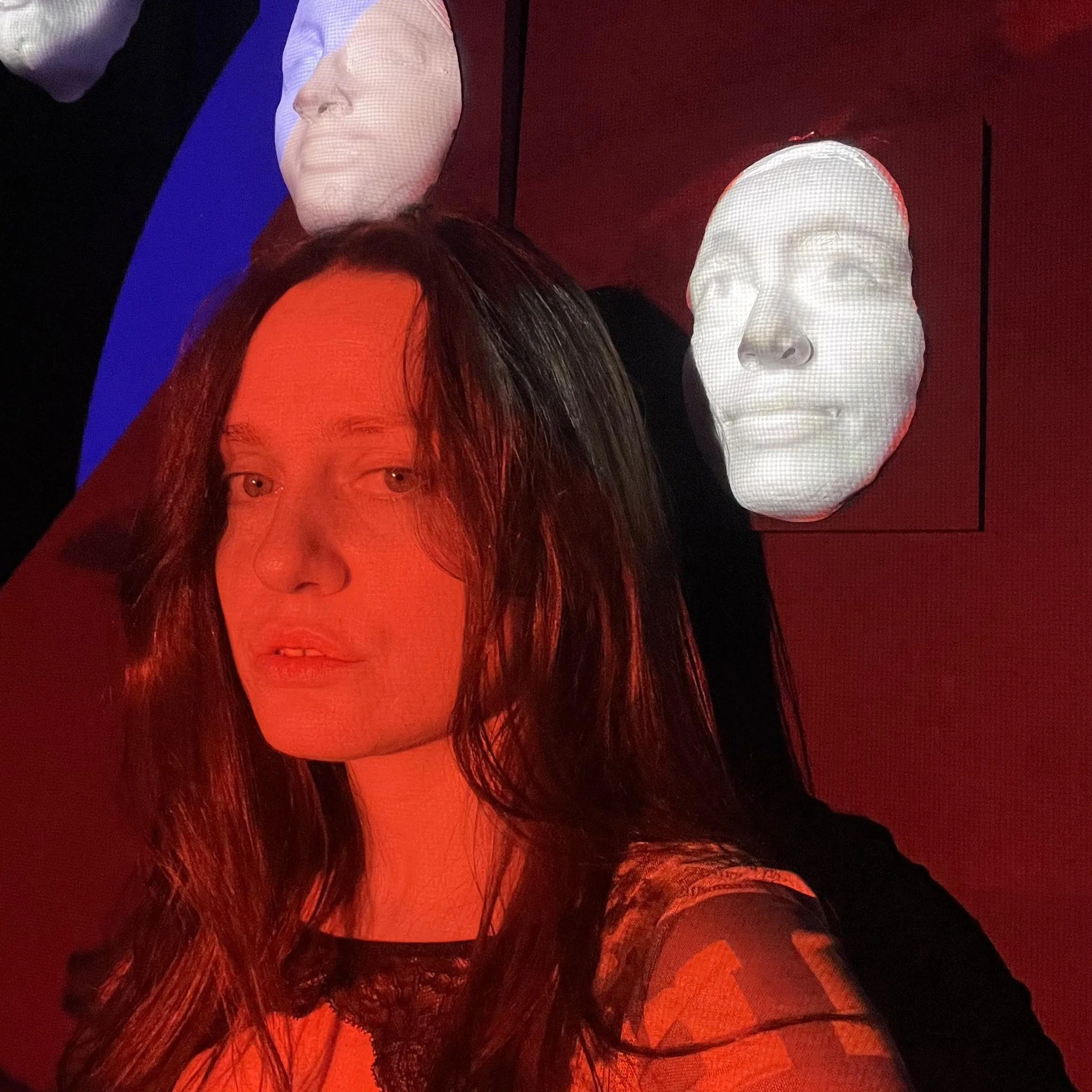
ionee waterhouse is a Berlin-based media artist known for her pioneering use of video mapping, AI-generated visuals, and experimental video collage. Her work merges architecture, memory, and technology into site-specific visual rituals that unfold across facades, festivals, and museum collections.